
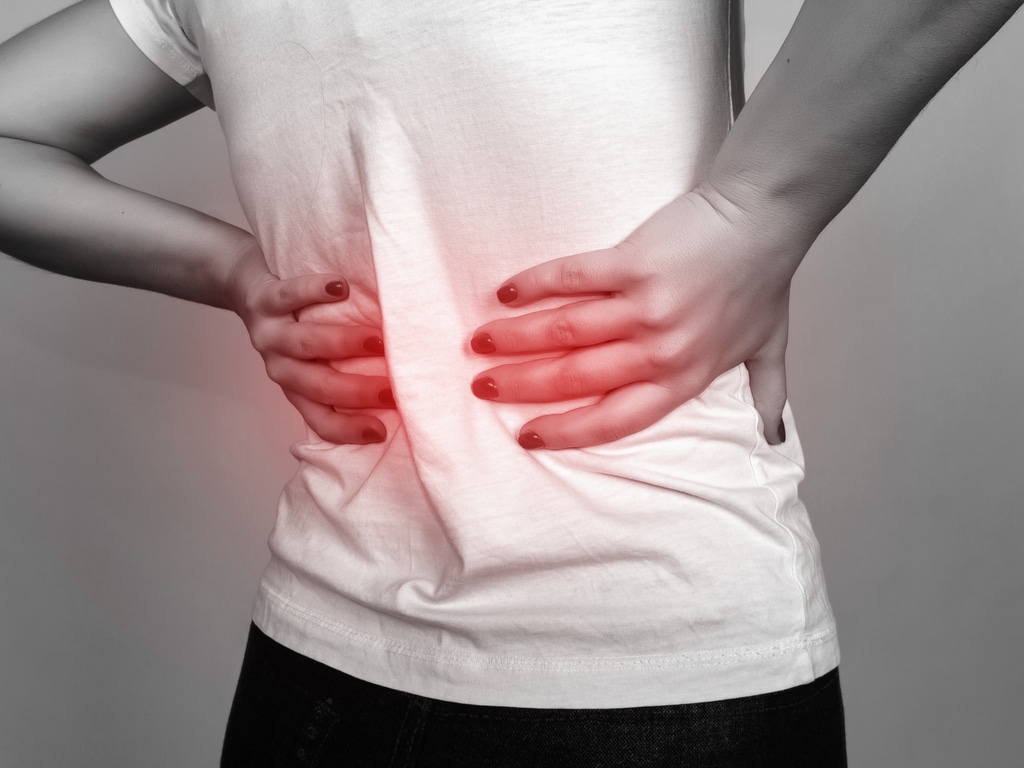
What Is a Slipped Disc?
Spinal discs are composed of a nucleus and an annulus. The nucleus refers to the gel-like center, while the annulus is the tough exterior. A slipped disc, also known as a herniated disc or ruptured disc, occurs when a portion of the nucleus slips through a tear or rupture in the annulus. This can irritate nearby nerves, leading to discomfort or mobility issues. Slipped discs often affect the lower back but can occur in the neck or upper back as well. Knowing what triggers this condition is key to managing or preventing it.
Common Causes of a Slipped Disc
Several factors can lead to a slipped disc, often working together to weaken the spine. The main culprits include:
- Wear and Tear: As we age, spinal discs dry out and lose elasticity, making them more likely to crack or rupture under stress.
- Sudden Injury: Trauma from lifting heavy objects, twisting awkwardly, or accidents like falls can tear the annulus, causing herniation.
- Combined Stressors: A disc already weakened by degeneration may give way during a minor strain, like bending to pick up a bag.
Understanding these causes helps you take proactive steps to protect your spine, especially if your daily routine involves physical demands.
Slipped Disc in the Lower Back
The lower back, or lumbar spine, bears much of the body’s weight, making it a prime spot for slipped discs. When a disc herniates here, it can press on nerves, causing sharp pain, tingling, or weakness that may radiate to the buttocks or legs—a condition often called sciatica. Workers in industries like construction, warehousing, or even office jobs with prolonged sitting face higher risks due to repetitive strain or poor posture. Early recognition of symptoms can prevent complications, so don’t ignore persistent back pain.
Who Is at Risk for a Slipped Disc?
Certain factors make a slipped disc more likely, and being aware of them can guide prevention efforts. Here’s who’s most vulnerable:
- Age Group: Adults between 30 and 50 are at peak risk, as discs start to degenerate while lifestyles remain active.
- Job Demands: Occupations requiring heavy lifting, repetitive bending, or long hours of sitting—like trucking or nursing—put extra strain on the spine.
- Body Weight: Carrying excess pounds increases pressure on lower back discs, accelerating wear.
- Family History: Genetic predisposition to weak discs can play a role.
- Habits: Smoking cuts blood flow to discs, while a sedentary lifestyle weakens supporting muscles.
Recognizing Slipped Disc Symptoms
A slipped disc can manifest in various ways, depending on its location and severity. Pain is the most common sign, but it’s not always limited to the back. For instance, a lumbar disc issue might send shooting pain down your leg, while a cervical disc problem could affect your arm. You might also feel numbness, tingling, or muscle weakness, making tasks like walking or holding objects harder. In rare cases, symptoms like loss of bladder control signal a serious issue needing urgent care. Paying attention to these signs ensures you get help before the condition worsens.
Diagnosing a Slipped Disc
Getting an accurate diagnosis is crucial for effective treatment. Your doctor will begin by discussing your symptoms and any recent injuries, then perform a physical exam to check reflexes, strength, and sensation. Imaging tests, such as an MRI or CT scan, reveal the disc’s condition and any nerve compression. In complex cases, nerve tests like electromyography (EMG) might be used to assess damage. This thorough approach pinpoints the problem, so you can start the right recovery plan. Need a specialist? Check our .
Treatment Options for a Slipped Disc
Most slipped discs respond well to non-invasive treatments, allowing you to avoid surgery. Here’s a look at common approaches:
- Rest and Movement: Brief rest followed by guided activity prevents stiffness and promotes healing.
- Physical Therapy: Targeted exercises strengthen the back and core, reducing pressure on the disc.
- Medications: Anti-inflammatory drugs or muscle relaxants ease pain and swelling.
- Injections: Steroid shots can calm severe nerve irritation for longer relief.
- Surgical Options: If symptoms persist, procedures like discectomy remove the damaged disc portion.
How to Prevent a Slipped Disc
You can’t stop aging, but you can take steps to protect your spine from a slipped disc. Lifting objects correctly—by squatting, not bending—reduces strain on your back. Regular exercise, like swimming or core workouts, builds muscles that support your spine, while maintaining a healthy weight eases disc pressure. Good posture, whether sitting at a desk or standing, keeps your spine aligned. Avoiding smoking is also key, as it preserves disc hydration. These habits add up, helping you stay pain-free. Want a prevention plan? Browse our .
When to Contact a Doctor
Some slipped discs resolve on their own, but certain symptoms demand prompt medical attention. If you experience intense pain that doesn’t ease with rest, significant weakness affecting daily tasks, or numbness in sensitive areas like the groin, don’t wait to seek help. Loss of bladder or bowel function is a red flag for a rare emergency called cauda equina syndrome, requiring immediate care to prevent permanent damage. Acting fast can make all the difference.